
- 02, Oct 2026
Your body needs time to adjust to thinner air. When you climb faster than it can keep up, usually somewhere above 2,500 to 3,000 meters, your body starts sending warning signs. The Himalayan Rescue Association, which has run medical posts on the Everest and Annapurna trails since the 1970s, notes that AMS can actually begin as low as 2,300 meters. That's worth remembering if you're flying into Lukla for the EBC trek or starting the Langtang Trek, since you can be at that altitude within your first day or two.
If it's ignored, mild AMS can turn into something much more serious:
HAPE (High Altitude Pulmonary Edema), fluid building up in the lungs
HACE (High Altitude Cerebral Edema), fluid building up in the brain
Both need immediate descent and medical attention. Neither is something to push through.
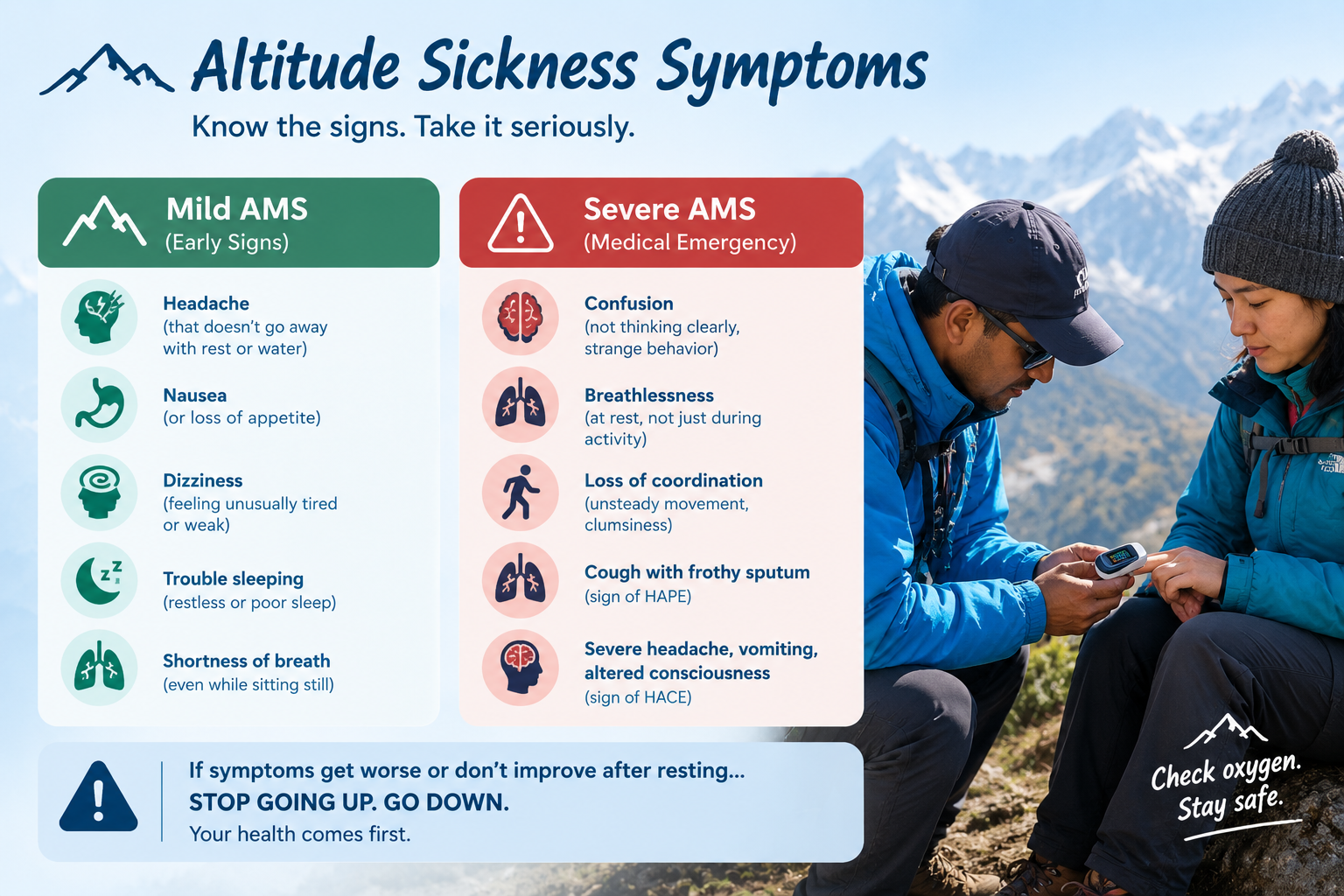
A headache that doesn't go away with rest or water
Nausea or not wanting to eat
Feeling unusually dizzy or wiped out, more than the day's walk should explain
Trouble sleeping
Getting short of breath even while sitting still
Here's the rule that actually matters: if symptoms are getting worse instead of better after resting, stop going up. If they don't improve, go down.
Go slow, on purpose. The HRA recommends gaining no more than 300 to 500 meters of sleeping altitude a day once you're above 3,000m, with a rest day roughly every 1,000m. This is exactly why treks like Everest Base Camp and the Manaslu Circuit build in extra nights at places like Namche Bazaar. Those aren't lazy days. They're the reason most people finish the trek.
Climb high, sleep low. On acclimatization days, it actually helps to hike up higher during the day and come back down to sleep. Your body handles the adjustment better that way.
Drink more water than feels necessary. Somewhere around 3 to 4 liters a day. The air up there is dry, you lose fluid faster than you'd think, and dehydration makes AMS symptoms worse and harder to tell apart from the real thing.
Skip the alcohol and sleeping pills. Both slow your breathing down while you sleep, which is the last thing you want when your body's already working hard to get enough oxygen.
Ask a doctor about Diamox (acetazolamide) before you go. A lot of trekkers use it to help their bodies acclimatize faster, especially on tighter itineraries or big passes like Thorong La on the Annapurna Circuit or the high passes on the Everest Three Passes Trek. It's not something to start on the trail without talking to someone first.
Pick an itinerary that gives you time. This one's fully in your control. A rushed 10 day EBC trip is a very different risk than a well paced 15 day one with proper rest days at Namche and Dingboche. If you're weighing your options, our Annapurna Base Camp vs Everest Base Camp guide covers how the altitude and pacing compare.
Trek with a guide who's done this a hundred times. Someone who's spent seasons on these trails will usually catch early AMS symptoms before you do, and knows the difference between "you're fine, keep going" and "we need to head down now."
Everest Base Camp Trek, topping out at 5,364m
Everest Three Passes Trek, crossing three passes above 5,300m
Annapurna Circuit, over Thorong La at 5,416m
Manaslu Circuit Trek, over Larkya La at 5,106m
Mera Peak and Island Peak, both above 6,000m and needing the most careful acclimatization schedule of all
If you're newer to trekking or a bit nervous about altitude, routes like the Mardi Himal Trek or Langtang Trek sit lower and carry noticeably less risk, without giving up much of the scenery.
Altitude sickness isn't a fitness problem. Marathon runners get it just as often as first time trekkers, sometimes more often, because they're used to pushing through discomfort. It comes down to pace, water, and actually listening to how your body feels each morning. A good itinerary with real acclimatization days built in is the best protection you have, which is why we plan our treks around HRA recommended ascent rates instead of squeezing them into the shortest possible schedule.
Not sure which itinerary fits your pace or experience level? Get in touch with our team and we'll help you figure out the right one.
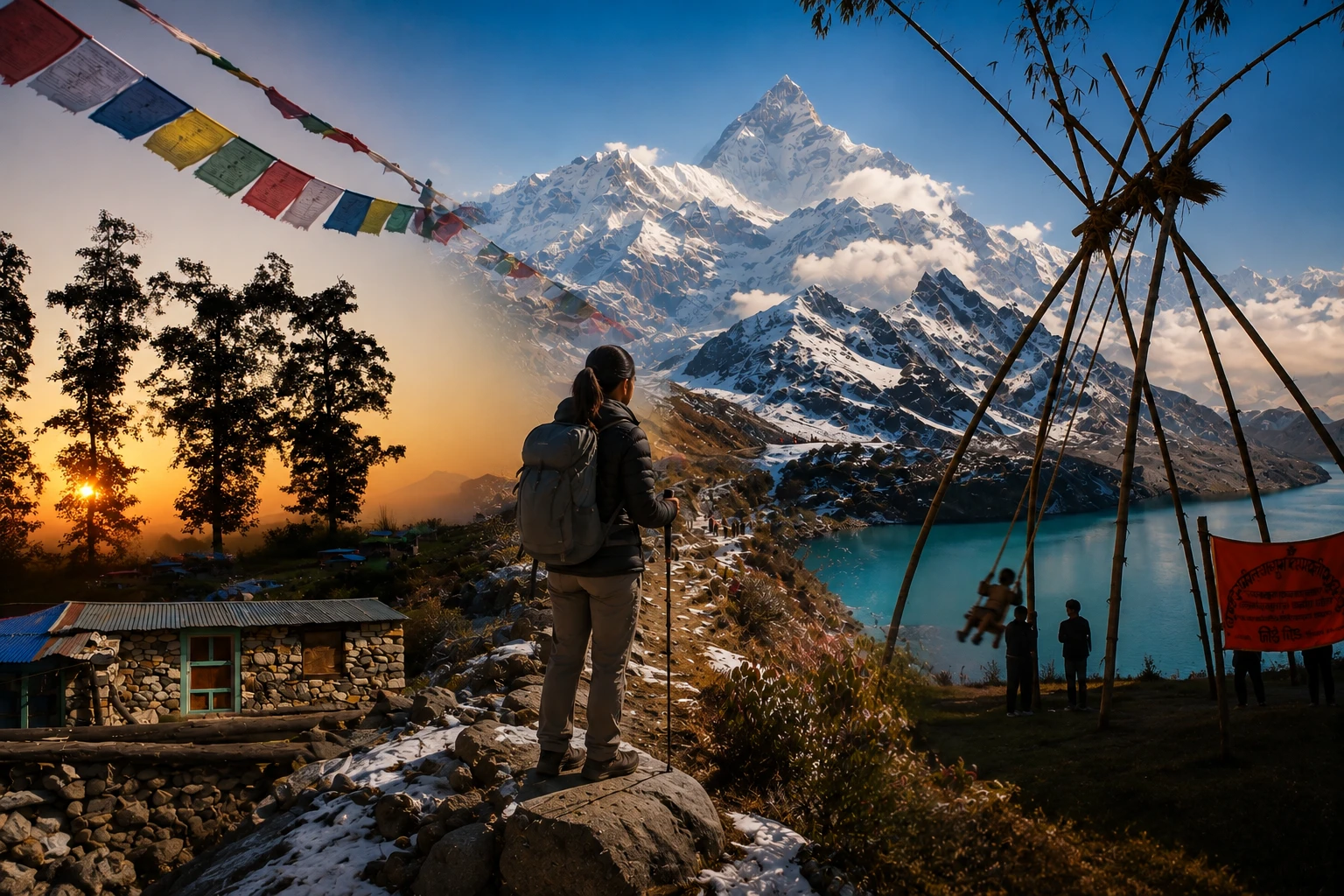
In this blog, we have selected 6 of the best short treks in Nepal that you can take during your Dashain holidays.
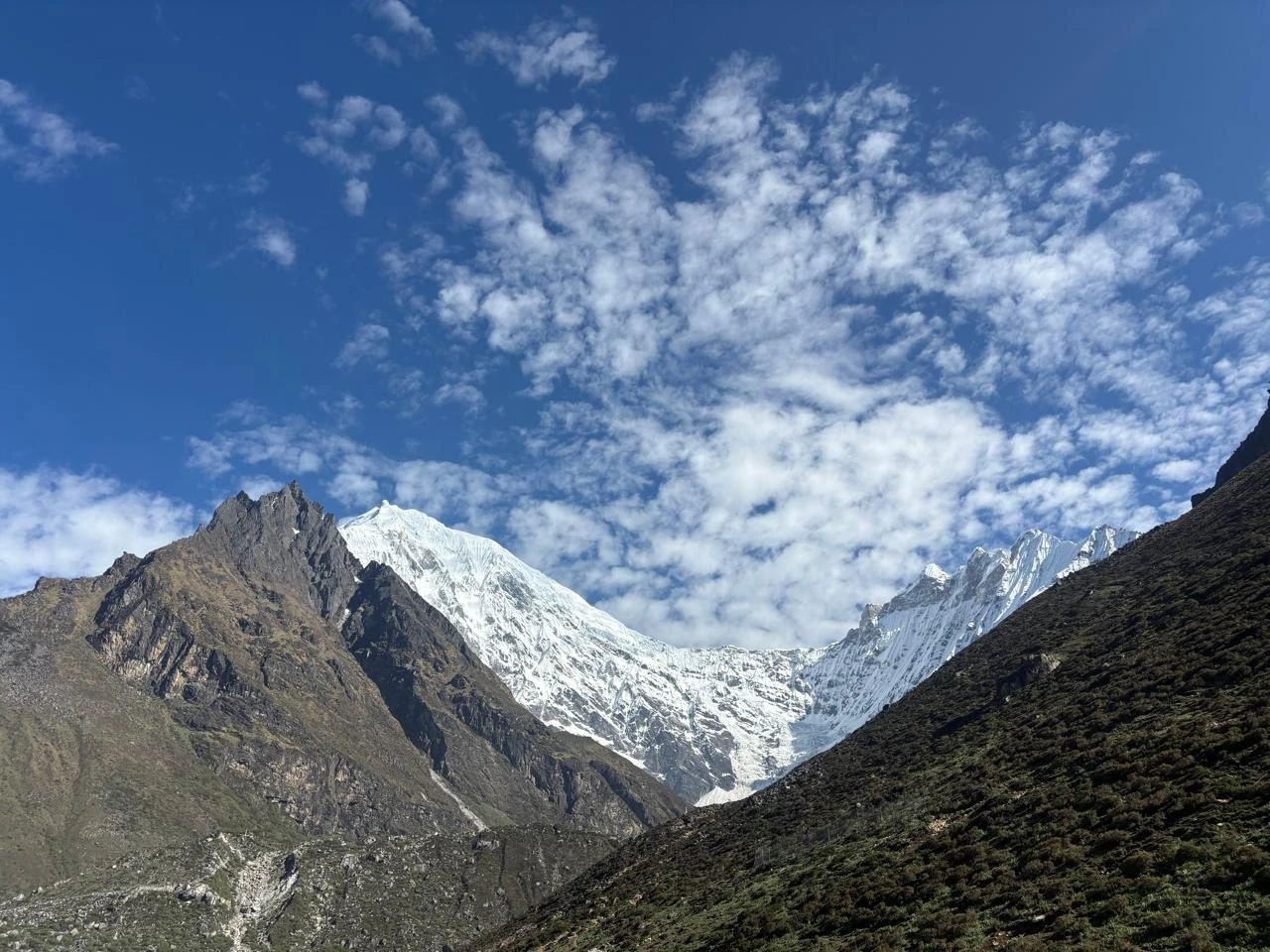
I recently completed the Langtang Valley Trek in just six days. Those six days turned out to be some of the most unforgettable days of my life.
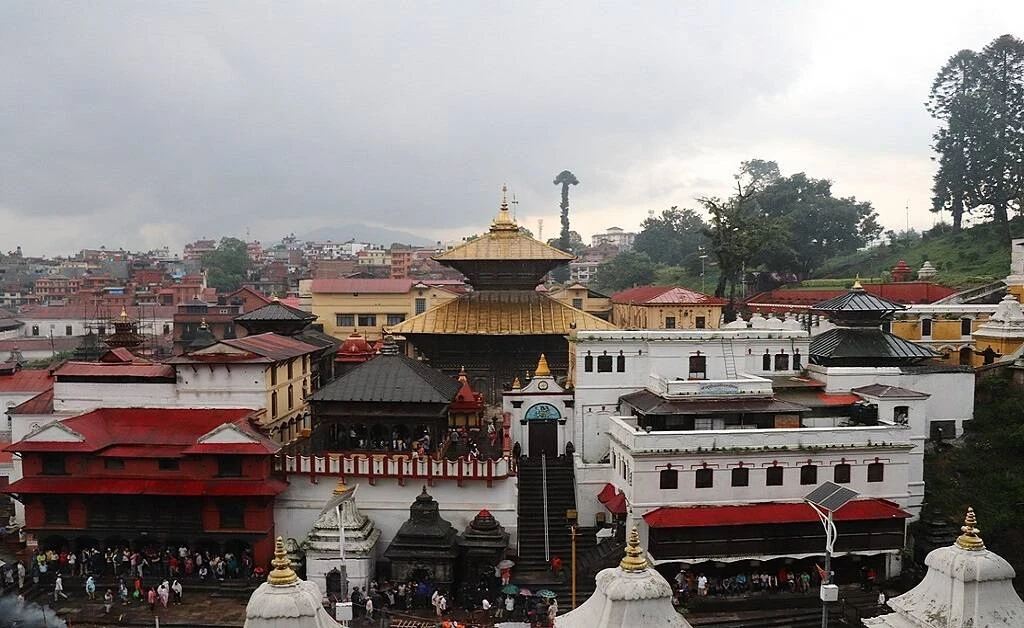
Nepal is more than just the home of the Himalayas. It is a sacred land where spirituality, culture, and history come together in perfect harmony.

Nepal is a dream destination for trekkers from around the world. Home to eight of the world's fourteen highest peaks
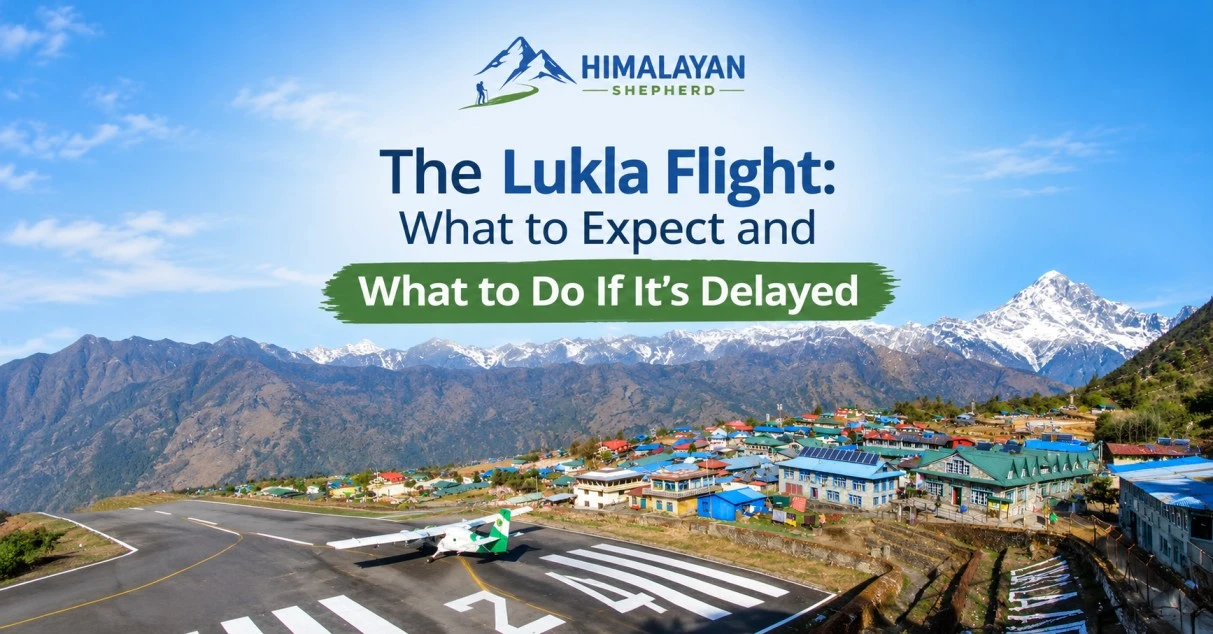
Flying to Lukla for Everest Base Camp? Learn what the flight is like, baggage rules, why delays happen and exactly what to do if yours is cancelled.
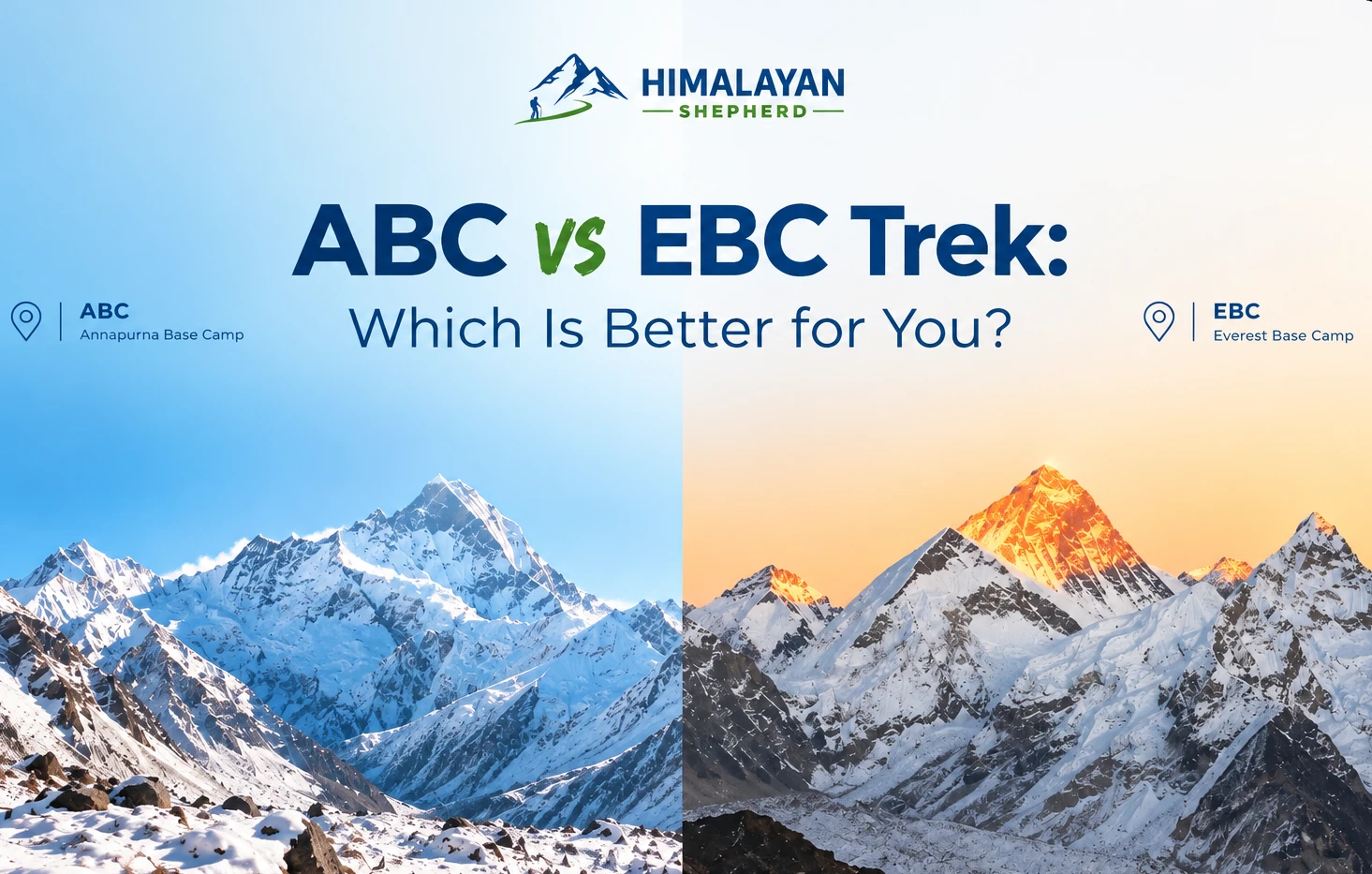
Everest Base Camp or Annapurna Base Camp? We compare altitude, duration, difficulty, cost and scenery so you can pick the right trek this season.

Comparing the Manaslu Circuit and Annapurna Circuit on crowds, difficulty, and scenery, so you can pick the right Nepal trek for your style and experience.