
 Overview
 Itinerary
 Includes
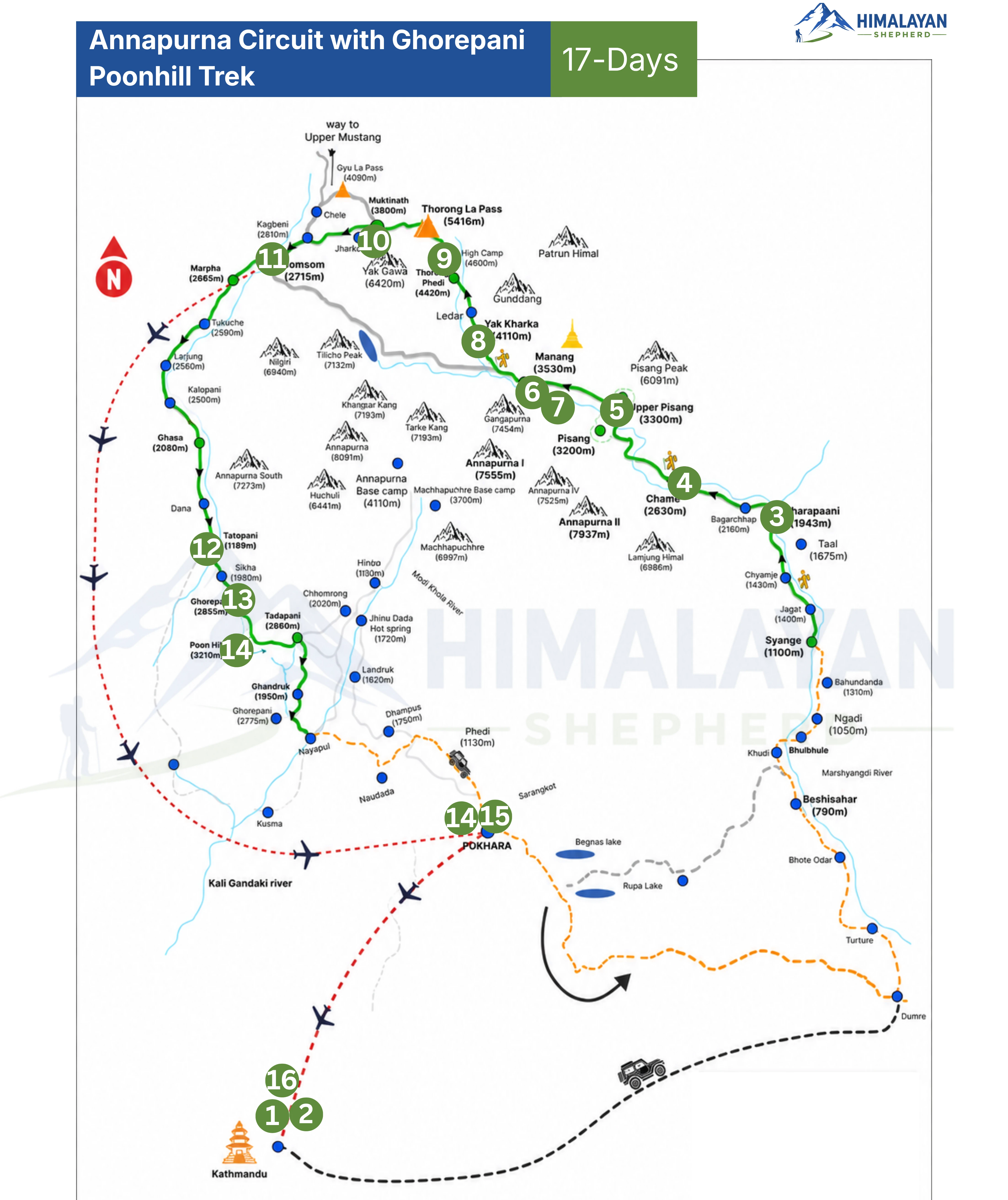
 Map & Altitude
 Equipment
 Trip Info & FAQs
Mr. Gyaljen Sherpa
Mr. Gyaljen Sherpa was born and raised in the Everest region, and his Sherpa heritage gives him deep, lifelong knowledge of the mountains, local commu...
View Profile
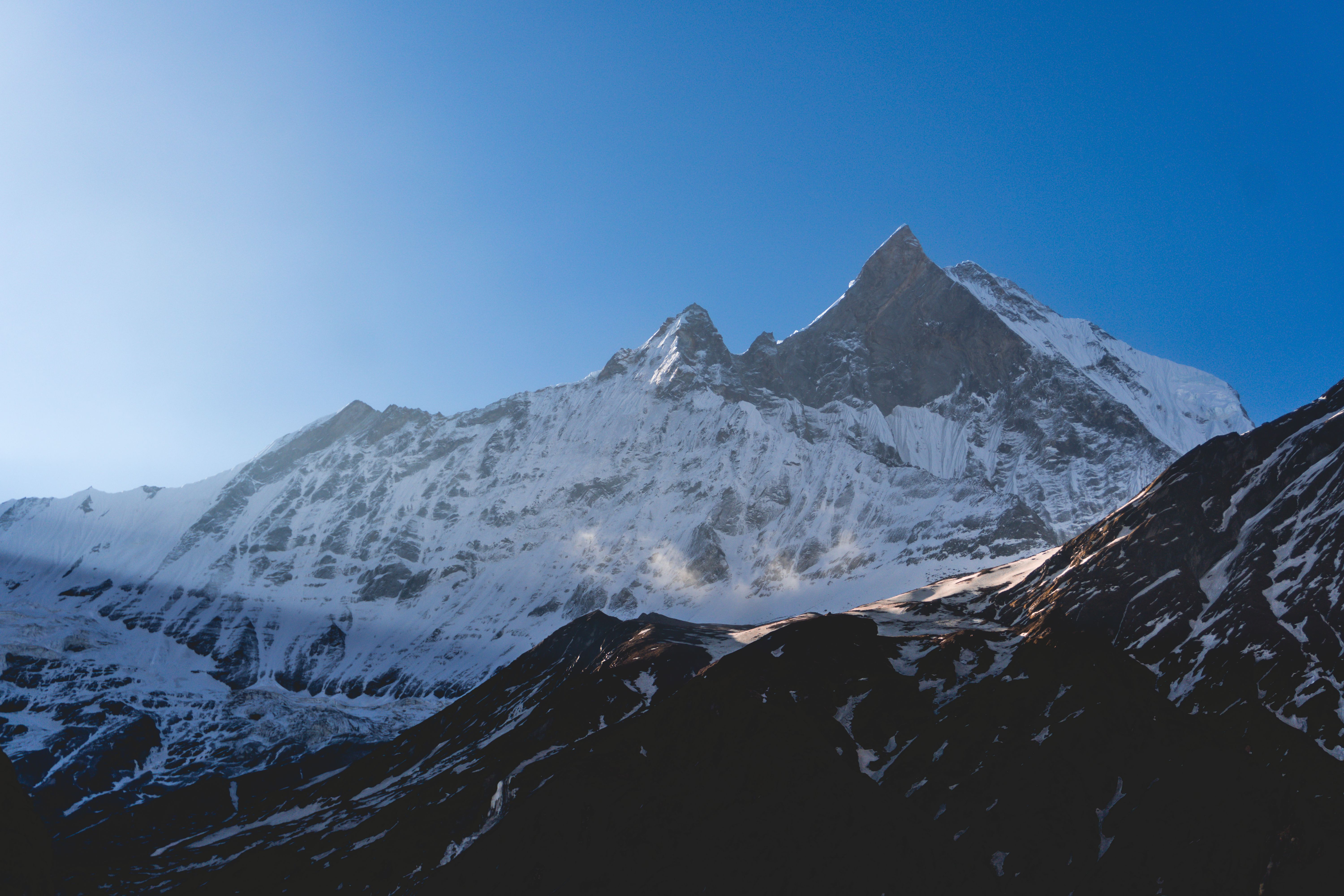
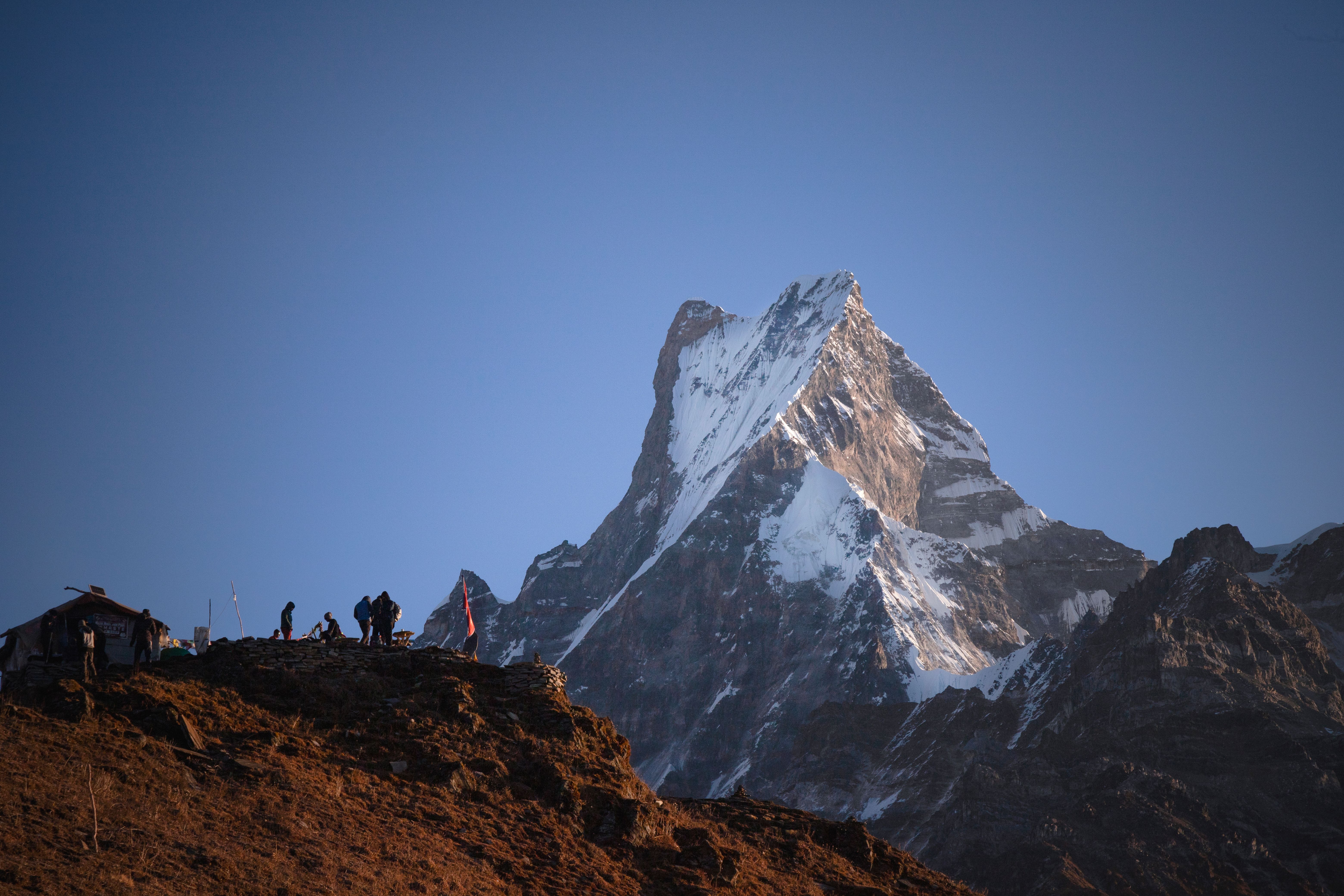

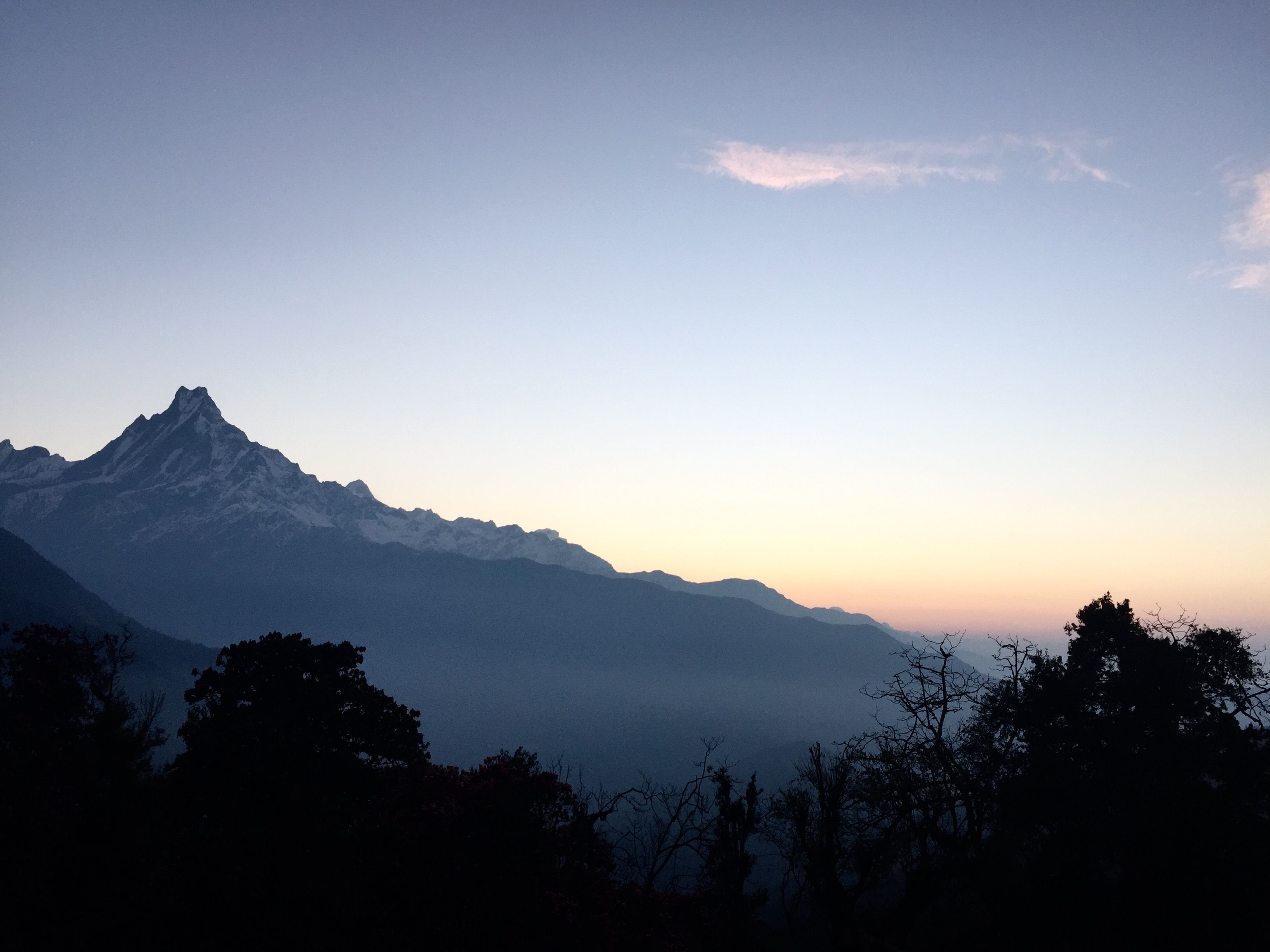








The Annapurna Base Camp with Ghorepani Poon Hill Trek is one of Nepal's most iconic trekking adventures, combining the breathtaking sunrise views from Poon Hill with the unforgettable journey into the heart of the Annapurna Sanctuary. This trek offers an excellent mix of mountain panoramas, diverse landscapes, traditional Gurung and Magar villages, rhododendron forests, terraced farmland, and high alpine scenery.
Beginning with a scenic flight from Kathmandu to Pokhara, the trail passes through charming villages such as Ghorepani, Tadapani, Chhomrong, and Deurali before reaching the spectacular Annapurna Base Camp (4,130 m). Along the way, trekkers experience warm Himalayan hospitality, rich local culture, and ever-changing landscapes ranging from lush forests to towering snow-covered peaks.
Suitable for trekkers with a good level of fitness, this itinerary provides a rewarding Himalayan experience without requiring technical climbing skills.
Upon your arrival at Tribhuvan International Airport, our representative will welcome you and transfer you to your hotel. After check-in, you'll receive a briefing about the trek and meet your guide. Depending on your arrival time, you can explore the vibrant streets of Thamel or relax at your hotel.
After breakfast, enjoy a guided sightseeing tour of Kathmandu's UNESCO World Heritage Sites. Later, take a scenic 25-minute flight to Pokhara, Nepal's beautiful lakeside city nestled beneath the Annapurna range. Spend the evening strolling along Phewa Lake.
After breakfast, leave Pokhara and drive through picturesque villages, terraced rice fields, and winding mountain roads to Ulleri, where the trek begins.
From Ulleri, follow a beautiful forest trail lined with rhododendron, oak, and magnolia trees. During spring, these forests burst into vibrant shades of red, pink, and white blossoms. The trail gradually ascends through charming settlements and peaceful woodland before reaching the lively Magar village of Ghorepani. On clear days, you'll enjoy stunning views of Annapurna South, Hiunchuli, and Nilgiri.
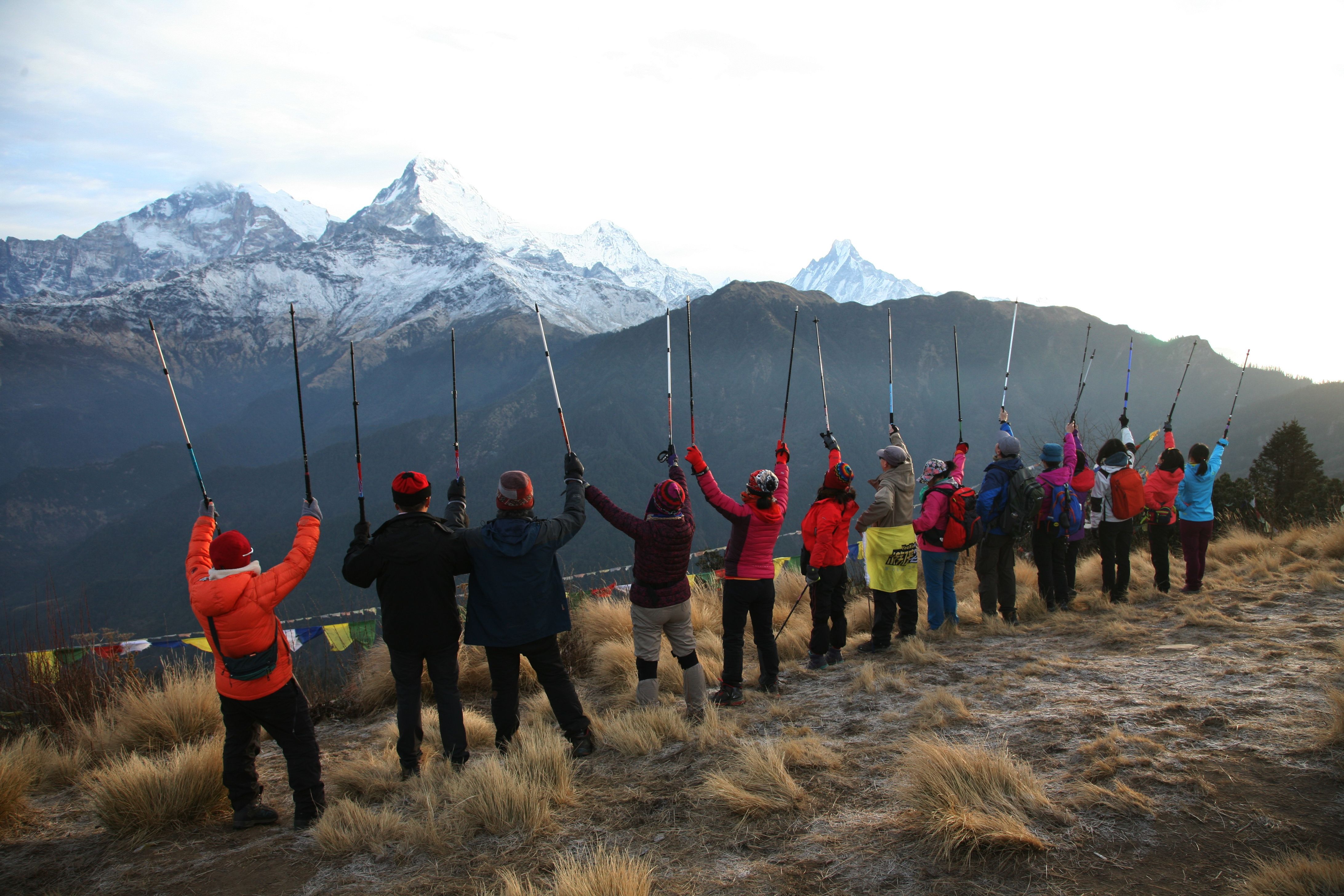
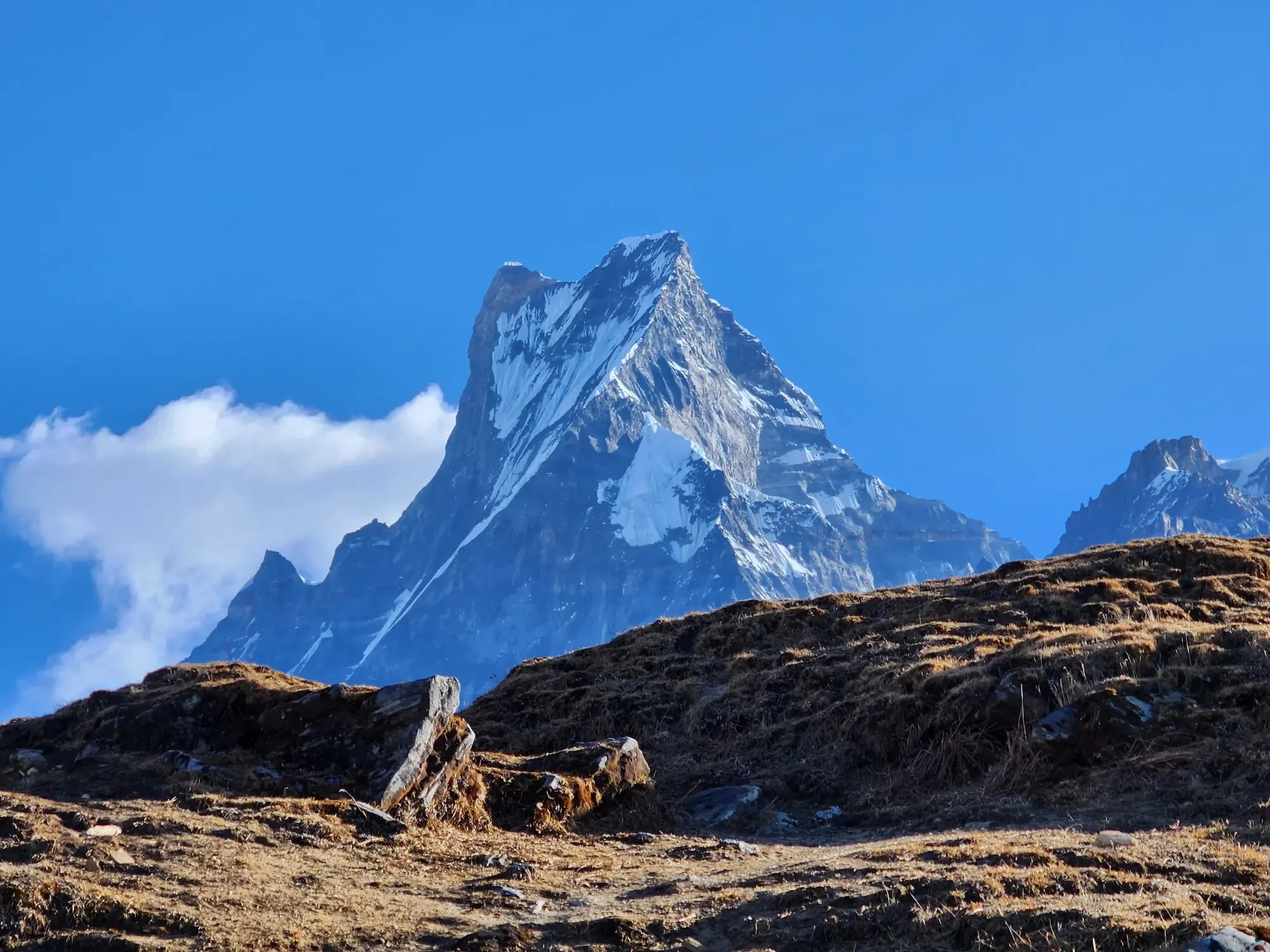
Wake before dawn for one of Nepal's most famous sunrise hikes. A short climb leads to Poon Hill, where breathtaking panoramic views unfold as the first rays of sunlight illuminate the snow-covered peaks of Dhaulagiri, Annapurna I, Annapurna South, Machhapuchhre (Fishtail), Nilgiri, Hiunchuli, and dozens of surrounding mountains.
After enjoying the spectacular scenery and taking photographs, descend to Ghorepani for breakfast before continuing through beautiful rhododendron forests toward Tadapani. The peaceful forest trail offers opportunities to spot colorful Himalayan birds
Today's trail descends through dense forests before crossing suspension bridges over rushing mountain streams. The route then climbs steadily to Chhomrong, the largest Gurung village in the Annapurna Sanctuary region.
Situated on a hillside overlooking the Modi Khola Valley, Chhomrong offers spectacular views of Annapurna South and the sacred Machhapuchhre (Fishtail Mountain). Spend the evening exploring the traditional village and interacting with local families.
After breakfast, leave the beautiful Gurung village of Chhomrong and descend a long stone staircase to the Chhomrong Khola. Cross a suspension bridge before beginning a steady climb through lush forests to Sinuwa, where you'll enjoy your first close-up views of the Annapurna Sanctuary.
From Sinuwa, the trail gently winds through dense bamboo and rhododendron forests, passing the small settlements of Kuldighar and Bamboo. The cool, shaded forest is home to a variety of birds and wildlife, creating a peaceful atmosphere as you trek deeper into the valley.
Today's trail gradually climbs alongside the Modi Khola, passing through Bamboo, Dovan, and Himalaya. As you gain elevation, the dense forests slowly give way to alpine vegetation and dramatic mountain scenery.
After lunch at Himalaya, continue past the famous Hinku Cave, a large natural rock overhang once used as a shelter by traders and trekkers. The landscape becomes increasingly rugged, with towering cliffs and avalanche paths leading to the small settlement of Deurali. Here, magnificent views of surrounding peaks signal that you are entering the heart of the Annapurna Sanctuary.
This is the highlight of your trek. After breakfast, ascend gradually through alpine terrain, crossing glacial moraines and open meadows as the spectacular Annapurna Sanctuary unfolds around you.
Reach Machhapuchhre Base Camp (MBC), where you'll stop to enjoy panoramic views of the sacred Machhapuchhre (Fishtail Mountain), Annapurna South, Hiunchuli, Gangapurna, and surrounding glaciers. From MBC, continue along a gentle trail to Annapurna Base Camp.
Standing at 4,130 meters, Annapurna Base Camp offers an unforgettable 360-degree panorama surrounded by towering Himalayan peaks, including Annapurna I (8,091 m), Annapurna South, Hiunchuli, Tent Peak, Gangapurna, and several other snow-covered summits. Spend time exploring the base camp and soaking in one of the world's most spectacular mountain settings before enjoying a peaceful evening beneath the stars.
Wake early to witness a magical sunrise over the Annapurna massif as golden light gradually illuminates the surrounding peaks. After breakfast, begin your descent, retracing the trail through Machhapuchhre Base Camp, Deurali, Himalaya, and Dovan.
The downhill journey offers a different perspective of the Annapurna Sanctuary, allowing you to appreciate its dramatic cliffs, cascading waterfalls, and lush forests. Descending to the lower elevations also provides welcome relief after reaching the trek's highest point.
After breakfast, continue descending through bamboo and rhododendron forests to Sinuwa before climbing briefly to Chhomrong. From there, descend to Jhinu Danda, famous for its natural hot springs located beside the Modi Khola River. If time permits, enjoy a relaxing soak in the warm mineral-rich pools—a perfect reward after several days of trekking.
Continue your walk to the roadhead, where your vehicle will be waiting for the scenic drive back to Pokhara. Upon arrival, check into your hotel and spend the evening relaxing by the lakeside.
Enjoy a leisurely day exploring Pokhara, Nepal's beautiful lake city. Visit popular attractions such as Davis Falls, Gupteshwor Mahadev Cave, the International Mountain Museum, Bindhyabasini Temple, and the World Peace Pagoda. You can also take a peaceful boat ride on Phewa Lake or simply relax at one of the many cafés along the lakeside while enjoying stunning views of the Annapurna range.
For those seeking adventure, optional activities such as paragliding, zip-lining, ultralight flights, or bungee jumping can be arranged at an additional cost.
After breakfast, begin the scenic drive back to Kathmandu along the Prithvi Highway, following the Trishuli and Marsyangdi rivers through picturesque hills, villages, and terraced farmland. Along the way, enjoy views of rural Nepal and the surrounding landscapes.
Upon arrival in Kathmandu, transfer to your hotel. The remainder of the day is free for shopping, exploring the bustling streets of Thamel, or relaxing before your onward journey.
Your unforgettable journey through the Annapurna region comes to an end today. After breakfast, enjoy some free time depending on your international flight schedule. You may do some last-minute shopping, relax at your hotel, or take a short stroll around the city.
At the designated time, our representative will transfer you to Tribhuvan International Airport for your onward flight. As you depart Nepal, take with you lasting memories of spectacular Himalayan landscapes, vibrant local culture, welcoming mountain communities, and the rewarding achievement of trekking to Annapurna Base Camp via the iconic Poon Hill trail.
Let's customize this itinerary as per your time and budget, as you like.
Tick items off as you pack — your progress is saved on this device.
No gear matches that search. Try a different word.
Down jackets, sleeping bags and trekking poles can be hired or bought inexpensively in Kathmandu and Namche Bazaar — ask our team and we will arrange it before you set off.
We are a team of professionals who share a common devotion to the outdoors — government-licensed, altitude-trained, and with you from Lukla to the summit.
Our TeamMr. Gyaljen Sherpa was born and raised in the Everest region, and his Sherpa heritage gives him deep, lifelong knowledge of the mountains, local commu...
View Profile
Sikendar Chaudhary (CK) is a licensed professional trekking guide from Nepal with over 5 years of experience leading unforgettable adventures across t...
View Profile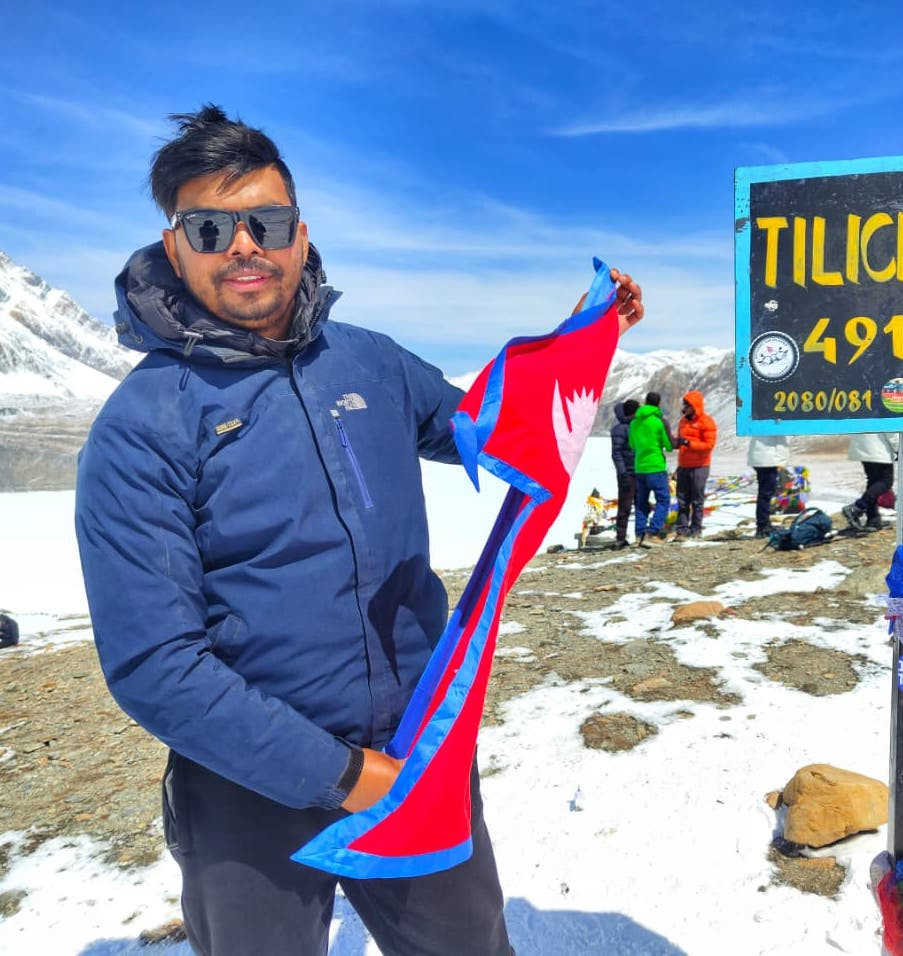
This trek is considered moderately challenging. It is suitable for trekkers with a good level of fitness and does not require any technical climbing or mountaineering experience. Daily trekking typically lasts 5–7 hours on well-established trails with gradual ascents and descents.
The highest point is Annapurna Base Camp (4,130 m / 13,550 ft). The trek also includes a sunrise hike to Poon Hill (3,210 m / 10,531 ft), one of Nepal's most famous viewpoints.
Previous trekking experience is helpful but not essential. Anyone in good physical condition who can comfortably walk for several hours each day can complete the trek with proper preparation.
Combining Poon Hill with Annapurna Base Camp offers the best of both experiences. You'll enjoy one of Nepal's most famous sunrise viewpoints overlooking the Annapurna and Dhaulagiri ranges before continuing into the spectacular Annapurna Sanctuary. This combination provides a diverse trekking experience featuring traditional mountain villages, rhododendron forests, panoramic viewpoints, and an unforgettable journey to the foot of Annapurna I.
Accommodation is provided in comfortable tourist hotels in Kathmandu and Pokhara, while along the trekking route you will stay in traditional mountain tea houses offering basic but clean rooms with twin beds and shared or attached bathrooms in some locations.
Yes, hot showers are available in teahouses in lower or mid-altitude regions, usually gas- or solar-heated. At higher elevations, you will only find bucket showers due to cold temperatures and limited water supply. All shower services cost around $2–$5 USD, depending on altitude.
No, teahouse rooms do not have heaters or air conditioning. However, you can stay warm in the communal dining halls, which are usually heated with wood or yak-dung stoves during the evenings.
Yes, most teahouses offer charging facilities for mobile phones and cameras. You may need to pay an additional fee of $2–$5 USD per use, especially at higher elevations where electricity is limited. Charging is usually available in dining areas with two-pin plugs, so you should carry a universal adapter.
Tea houses offer a variety of freshly prepared meals including Dal Bhat (rice, lentils, and vegetables), noodles, pasta, fried rice, soups, potatoes, eggs, pancakes, porridge, tea, coffee, and seasonal vegetables. Vegetarian options are widely available.
Yes. Bottled water, boiled water, and water refill stations are available along the route. Charging electronic devices is available in most tea houses, though a small additional fee may apply at higher elevations.
You will need:
Annapurna Conservation Area Permit (ACAP)
TIMS (Trekkers' Information Management System) Card, if applicable under current regulations
These permits are typically arranged by your trekking operator.
You can obtain permits online or from the Kathmandu office of the Nepal Tourism Board. If you trek with Himalayan Shepherd, we arrange all required permits before the trek begins. You do not need to handle any paperwork or visit government offices, as our team processes everything on your behalf.
As of April 2023, the TIMS card is generally not required for trekkers travelling with a licensed guide or through a registered trekking company on the standard Annapurna Circuit Trek.
Yes, according to the Nepal government rule introduced in April 2023, foreign trekkers are required to hire a licensed guide through a registered trekking agency for the Trek.
Our guides are government-licensed, highly experienced, and trained in high-altitude trekking operations. They have strong knowledge of the Annapurna region, weather conditions, altitude sickness management, emergency response, and trekking routes.
You can book a private guide by booking any date directly on our website or contacting us through email. We assign guides based on your group size, language preference, and trekking schedule to ensure a personalized experience.
The weight limit for a porter is 20 kg. One porter carries only one duffel bag/rusksak shared between two trekkers.
Yes, we provide free luggage storage at our Kathmandu office for all trekking clients. Your non-essential items are safely tagged and stored in a secure locker room until you return from your trek.
You must have comprehensive travel insurance that specifically covers high-altitude trekking up to at least 4130 m. Because of the remoteness of the region, your policy should include:
You can obtain a Nepal tourist visa on arrival at Tribhuvan International Airport in Kathmandu or at designated land border entry points. It requires a valid passport, payment of the visa fee, and a completed application form.
We recommend filling out the online visa application form at least two weeks before your arrival to avoid long queues at the airport. Please check the Nepal Immigration website to confirm whether your country is eligible for a visa on arrival.
Three Visa validity options are available in Nepal.
You can choose the duration based on your travel needs and the length of your stay. If you wish to extend your stay, the visa can be extended at the Department of Immigration in Kathmandu before your current visa expires.
Yes. Since the trek reaches over 4130 metres, proper acclimatization, hydration, and gradual ascent are essential.
No mandatory medical tests are required for the Annapurna trek. However, we recommend a basic medical checkup before the trek, especially for cardiovascular and respiratory health. If you have asthma, high blood pressure, or any heart-related conditions, consult your doctor before joining.
Yes, the Annapurna trek is considered safe when trekked with proper preparation and guidance. The main risks come from altitude, weather changes, and physical fatigue rather than security issues. With experienced guides, planned acclimatization, and monitored pacing, the trek is safely completed by thousands of trekkers each year.
Dangerous wildlife encounters are rare on the Annapurna Circuit route. Most of the trails pass through established villages, managed conservation areas, and well-used or marked trekking routes. You may occasionally see mountain goats, yaks, or birds, but there are no significant wildlife threats during the day.
he best seasons are:
Yes, winter trekking (December to February) is possible but more challenging. Annapurna Base Camp and Poon hill areas may be affected by heavy snowfall, and temperatures remain very cold at higher elevations, especially at night. The trail is quieter, but if you still want to trek, you should be fully prepared for cold conditions, possible delays, and route changes due to snow.
Temperatures drop sharply as you gain altitude on the Annapurna Base Camp area. In places like Base camp, poon hill areas, nighttime temperatures can fall to around -10°C to -20°C depending on the season. Wind chill at the pass can make it feel even colder, especially during early morning crossings.
Trekking poles are highly recommended as they help reduce knee strain and improve balance, especially on steep stone stairs in Ulleri and the downhill trail to Jhinu Danda. Crampons or microspikes are only needed if you are trekking in winter (December–February) when the trail may be snowy or icy. You can rent them in Pokhara or Kathmandu if required.
You should wear sturdy, waterproof trekking boots with good ankle support and a strong-grip sole. Avoid wearing brand-new boots on the trek, and make sure to break them in beforehand to prevent blisters. It is also a good idea to choose boots that are about half a size larger to accommodate thicker socks, which will improve comfort during long walking days.
You should pack layered clothing suitable for changing mountain weather, such as thermal wear, fleece, a down jacket, comfortable trekking pants, insulating jackets, and waterproof outerwear. Essential items also include sturdy waterproof trekking boots, gloves, a hat, sunglasses, sunscreen, a sleeping bag, headlamp, reusable water bottle (1–2 liter), toiletries, personal medication, and important documents like your passport and permits.
You can book the Annapurna Base Camp trek by completing our online booking form or contacting our team directly via email, phone, or WhatsApp. Once your travel details are confirmed and the 10% deposit is received, your booking will be secured. After that, you are required to submit the required documents, and we will provide all pre-departure information to help you prepare for the trek.
You can make your booking payment through several convenient options, including bank transfers (local or international), credit cards such as Visa, AMEX, or Mastercard, debit cards, Wise, Western Union, or secure online payment via our website. You may also pay in USD cash upon arrival in Kathmandu. We will provide specific payment instructions during the booking process to ensure a smooth and secure transaction.
Yes, a 10% deposit of the total trek cost is required to confirm your booking and secure your spot. The deposit can be paid through various international payment methods such as cards, bank transfers, or via our website. You can pay the remaining balance upon your arrival in Kathmandu before the trek begins.
For the Annapurna Base Camp trek, you should carry around $15–$20 USD per day (or 2,500–3,000 NPR) for personal expenses. This is usually enough to cover items not included in the package, such as drinks, snacks, Wi-Fi, device charging, hot showers, and tips. Since ATMs are not available along most of the route, it is best to exchange money in Kathmandu or Pokhara and carry cash in small denominations (20, 50, 100, or 500).


 UK Representative
 Nepal - Guide & Sales